
Pasta Primavera transforms simple vegetables into a creamy, colorful celebration of fresh flavors. This garden-inspired dish combines tender pasta with crisp-tender vegetables in a light, buttery sauce that brings everyone to the table. Perfect for busy weeknights or casual dinners with friends.
Why You’ll Love This Recipe
- Fresh and Colorful: Bright vegetables make every bite feel like springtime on a plate.
- Ready Fast: From start to finish in under an hour, perfect for weeknight cooking.
- Crowd-Pleaser: Kids and adults both enjoy the mild, creamy flavors.
- Flexible Recipe: Use whatever vegetables you have on hand.
- One-Pot Friendly: Minimal cleanup means more time enjoying your meal.
What You Need to Know Before You Start
Prep Time & Cook Time: Prep Time: 15 minutes Cook Time: 30 minutes Total Time: 45 minutes
Servings: This recipe serves 6 people as a main dish. Hungry crowd? Double everything and use a larger pot.
Difficulty: Easy enough for beginners. Even kids can help chop vegetables with supervision.
Required Kitchen Tools
- Large pot for cooking pasta
- Large skillet or sauté pan
- Colander for draining
- Chef’s knife and cutting board
- Grater for Parmesan cheese
- Measuring cups and spoons
Ingredients for Pasta Primavera
Fresh vegetables and simple pantry ingredients come together to create this comforting dish. Here’s everything you’ll need:
- Pasta: Any shape works, but penne, farfalle, or fettuccine hold the sauce nicely.
- Extra-Virgin Olive Oil: For sautéing vegetables and adding richness.
- Large Shallot: Adds mild, sweet onion flavor to the base.
- Large Carrot: Brings natural sweetness and bright orange color.
- Medium Zucchini: Tender and mild, soaks up flavors beautifully.
- Medium Yellow Squash: Adds color variety and subtle taste.
- Unsalted Butter: Creates a silky, rich sauce base.
- Freshly Grated Parmesan Cheese: Sharp, nutty flavor that melts into the sauce.
- Whole Milk: Makes the sauce creamy without being heavy.
- Dried Basil: Adds herby, Italian-inspired flavor.
- Garlic Powder: Quick, easy garlic taste throughout.
- Sea Salt: Enhances all the vegetable flavors.
- Freshly Cracked Black Pepper: Adds gentle warmth.
- Sun-Dried Tomatoes: Provide concentrated, tangy-sweet bursts.
- Cherry Tomatoes: Fresh, juicy pops of color and flavor.
- Chopped Fresh Basil or Flat-Leaf Parsley: Bright, fresh finishing touch.
- Crushed Red Pepper Flakes: Optional heat for those who like spice.
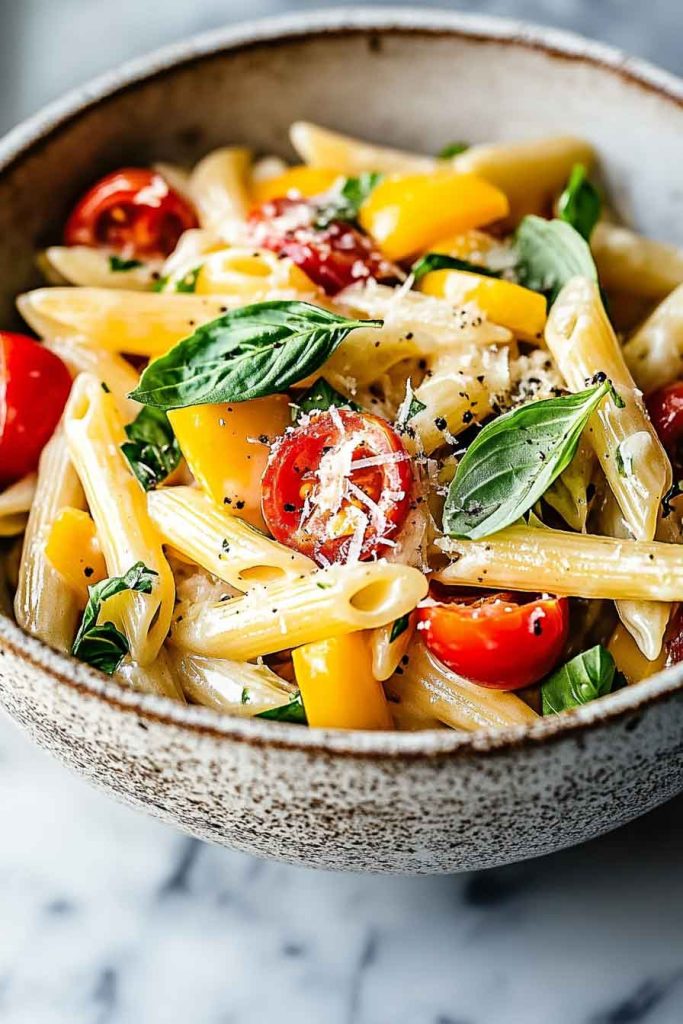
Variations for Pasta Primavera
- Add Protein: Toss in cooked chicken, shrimp, or white beans for extra substance.
- Use Different Vegetables: Try asparagus, bell peppers, broccoli, or snap peas.
- Make It Lighter: Replace whole milk with half-and-half or vegetable broth.
- Add Lemon: Squeeze fresh lemon juice over the finished dish for brightness.
- Try Different Cheese: Mix in ricotta or mascarpone for extra creaminess.
How to Make Pasta Primavera Step-by-Step Instructions
1. Cook the Pasta
Bring a large pot of salted water to a boil. Add pasta and cook according to package directions until just tender. Before draining, save one cup of pasta water. Drain pasta and set aside.
2. Prepare the Vegetables
While pasta cooks, chop the shallot into small pieces. Peel and slice the carrot into thin rounds. Cut zucchini and yellow squash into half-moon slices. Halve the cherry tomatoes. Chop the sun-dried tomatoes.
3. Sauté the Vegetables
Heat olive oil in a large skillet over medium heat. Add the shallot and cook for two minutes until softened. Add carrot slices and cook for three minutes, stirring occasionally. Add zucchini and yellow squash. Cook for five to six minutes until vegetables are crisp-tender, not mushy.
4. Make the Sauce
Push vegetables to the side of the pan. Add butter to the center and let it melt. Sprinkle in garlic powder, dried basil, salt, and black pepper. Stir everything together. Pour in the milk and bring to a gentle simmer. Let it bubble for two minutes.
5. Combine Everything
Add the cooked pasta to the skillet with vegetables. Toss everything together. Add sun-dried tomatoes and cherry tomatoes. Sprinkle Parmesan cheese over the top and toss again. If the sauce seems too thick, add reserved pasta water a little at a time until it reaches your desired consistency.
6. Finish and Serve
Remove from heat. Taste and adjust salt and pepper if needed. Sprinkle fresh basil or parsley over the top. Add crushed red pepper flakes if you want some heat.
Serving and Decoration
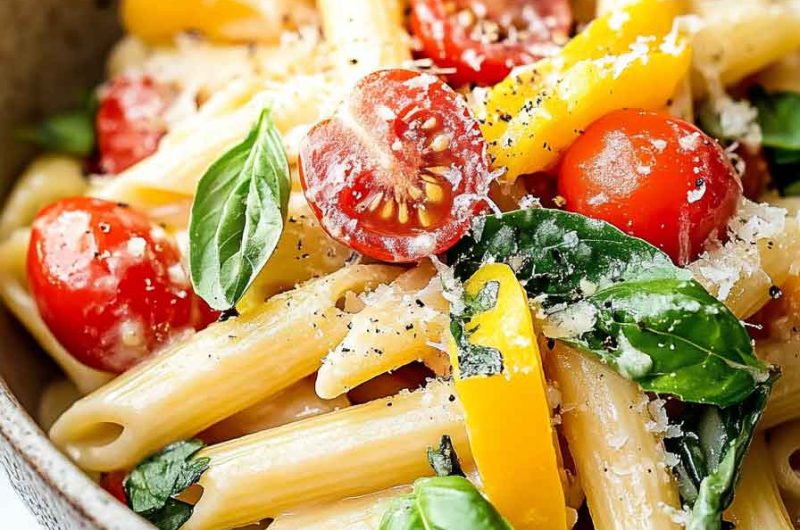
Serve this pasta hot, right from the skillet to the table. Spoon generous portions into shallow bowls. Top each serving with extra Parmesan cheese and fresh herbs. A drizzle of good olive oil adds a finishing touch. Serve with crusty bread for soaking up the creamy sauce.
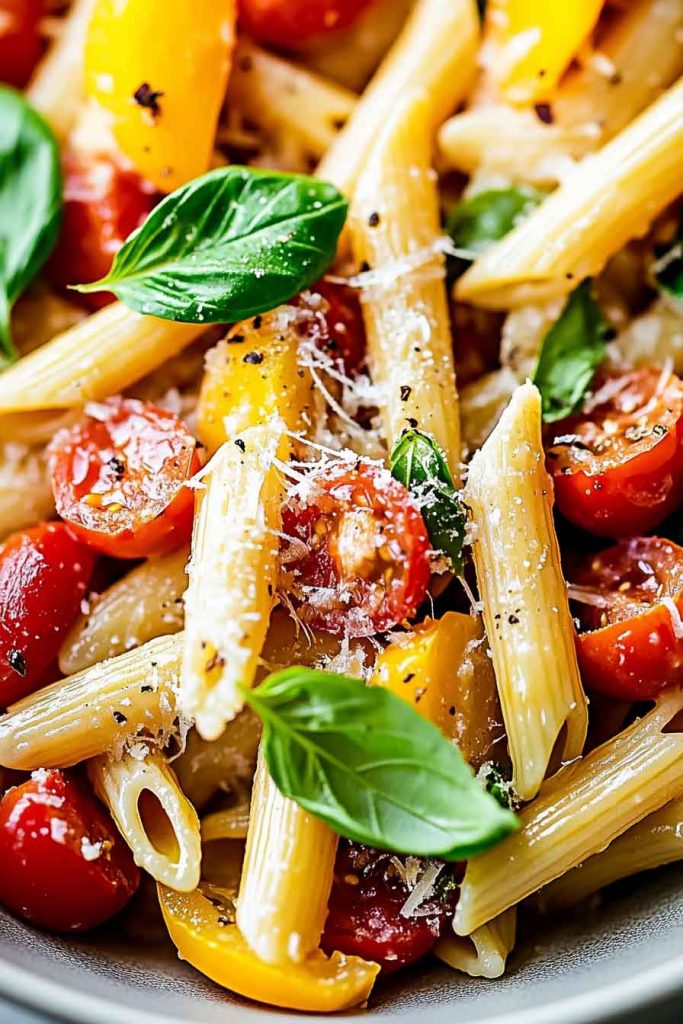
For a pretty presentation, arrange a few whole cherry tomatoes and fresh basil leaves on top. The colorful vegetables create a naturally beautiful dish without extra fuss.
How to Serve Pasta Primavera
This versatile pasta works for many occasions:
- As a Main Dish: Pair with garlic bread and a simple green salad.
- As a Side Dish: Serve alongside grilled chicken, fish, or steak.
- For Lunch: Pack leftovers in containers for next-day meals.
- For Potlucks: Transport in a covered dish and reheat before serving.
- With Wine: Try a crisp white wine like Pinot Grigio or Sauvignon Blanc.
Storing Pasta Primavera
- Refrigerator: Store leftovers in an airtight container for up to three days. The sauce may thicken as it sits.
- Reheating: Warm gently on the stovetop over low heat. Add a splash of milk or pasta water to loosen the sauce. Microwave portions for one to two minutes, stirring halfway through.
- Freezing: This dish doesn’t freeze well because the vegetables become mushy and the sauce separates when thawed.
Tips and Tricks for Success
- Don’t Overcook Vegetables: Keep them crisp-tender so they have texture and don’t turn to mush.
- Save Pasta Water: The starchy water helps the sauce stick to the pasta and adjusts thickness perfectly.
- Use Fresh Parmesan: Pre-shredded cheese doesn’t melt as smoothly. Grate it yourself for the best results.
- Cut Vegetables Evenly: Similar-sized pieces cook at the same rate.
- Taste as You Go: Adjust seasonings before serving since everyone’s taste preferences differ.
- Add Cheese Off Heat: This prevents the cheese from becoming stringy or clumpy.
Nutrition
| Nutrient | Per Serving |
|---|---|
| Calories | 385 |
| Total Fat | 16g |
| Saturated Fat | 7g |
| Cholesterol | 30mg |
| Sodium | 320mg |
| Total Carbohydrates | 48g |
| Dietary Fiber | 4g |
| Sugars | 6g |
| Protein | 13g |
| Vitamin A | 45% DV |
| Vitamin C | 25% DV |
| Calcium | 20% DV |
| Iron | 10% DV |
Nutrition values are estimates based on standard ingredients and may vary.
Pasta Primavera
Course: Main Dish6
servings15
minutes30
minutes385
kcalIngredients
12 ounces pasta (any shape)
3 tablespoons extra-virgin olive oil
1 large shallot, finely chopped
1 large carrot, sliced into thin rounds
1 medium zucchini, sliced into half-moons
1 medium yellow squash, sliced into half-moons
3 tablespoons unsalted butter
1 cup freshly grated Parmesan cheese
1 cup whole milk
1 teaspoon dried basil
1 teaspoon garlic powder
1 teaspoon sea salt (plus more for pasta water)
1/2 teaspoon freshly cracked black pepper
1/2 cup chopped sun-dried tomatoes
1 cup cherry tomatoes, halved
1/4 cup chopped fresh basil or flat-leaf parsley
Crushed red pepper flakes (optional, to taste)
Directions
- Cook Pasta: Bring a large pot of salted water to a boil. Cook pasta according to package directions until tender. Reserve one cup pasta water before draining. Drain and set aside.
- Prep Vegetables: Chop shallot, slice carrot into thin rounds, cut zucchini and yellow squash into half-moons, halve cherry tomatoes, and chop sun-dried tomatoes.
- Sauté Aromatics: Heat olive oil in a large skillet over medium heat. Add shallot and cook two minutes until softened.
- Cook Vegetables: Add carrot and cook three minutes. Add zucchini and yellow squash. Cook five to six minutes until crisp-tender, stirring occasionally.
- Create Sauce: Push vegetables aside. Add butter to pan and let melt. Stir in garlic powder, dried basil, salt, and pepper. Pour in milk and bring to a gentle simmer for two minutes.
- Combine: Add cooked pasta to skillet. Toss with vegetables and sauce. Add sun-dried tomatoes and cherry tomatoes. Sprinkle Parmesan over top and toss until combined. Add reserved pasta water as needed to reach desired consistency.
- Finish: Remove from heat. Taste and adjust seasonings. Top with fresh basil or parsley and red pepper flakes if desired.
- Serve: Serve immediately while hot, with extra Parmesan on the side.
Pasta Primavera FAQs
Can I use frozen vegetables? Fresh vegetables work best, but frozen can work in a pinch. Thaw and drain them well before cooking to avoid extra water in the sauce.
What pasta shape is best? Penne, farfalle, fettuccine, or rigatoni all work great. Choose shapes with texture that hold sauce well.
Can I make this ahead? The dish tastes best fresh, but you can prep vegetables a few hours ahead and store them covered in the refrigerator.
How do I keep the vegetables from getting mushy? Cook them over medium heat just until crisp-tender. They should still have a slight bite, not be soft all the way through.
Can I make this dairy-free? Replace butter with olive oil and use cashew cream or coconut milk instead of dairy milk. Skip the Parmesan or use a dairy-free alternative.
Why is my sauce watery? The vegetables may have released too much moisture. Let the sauce simmer a bit longer, or add a little more Parmesan to thicken it.
Conclusion
Pasta Primavera brings fresh vegetables and simple ingredients together in a dish that feels both comforting and light. The creamy sauce coats every piece of pasta while the colorful vegetables add crunch and natural sweetness. Whether you make it for a quick family dinner or a casual gathering with friends, this recipe delivers satisfaction without fuss. The best part? You can customize it based on what vegetables you have, making it a go-to recipe year-round.