
Look, I’m going to be honest with you.
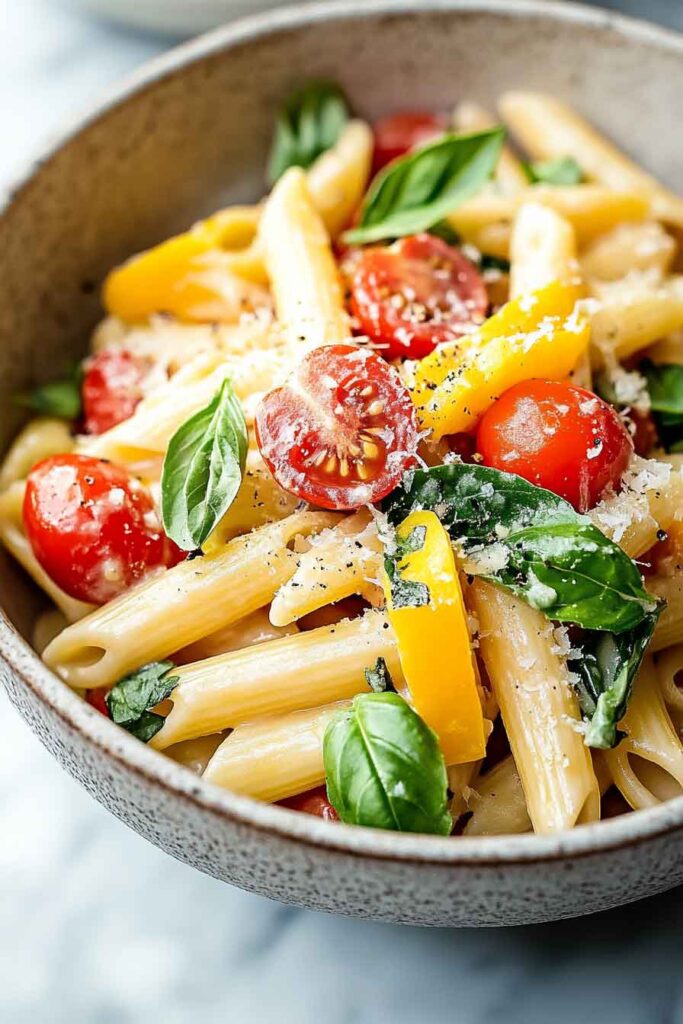
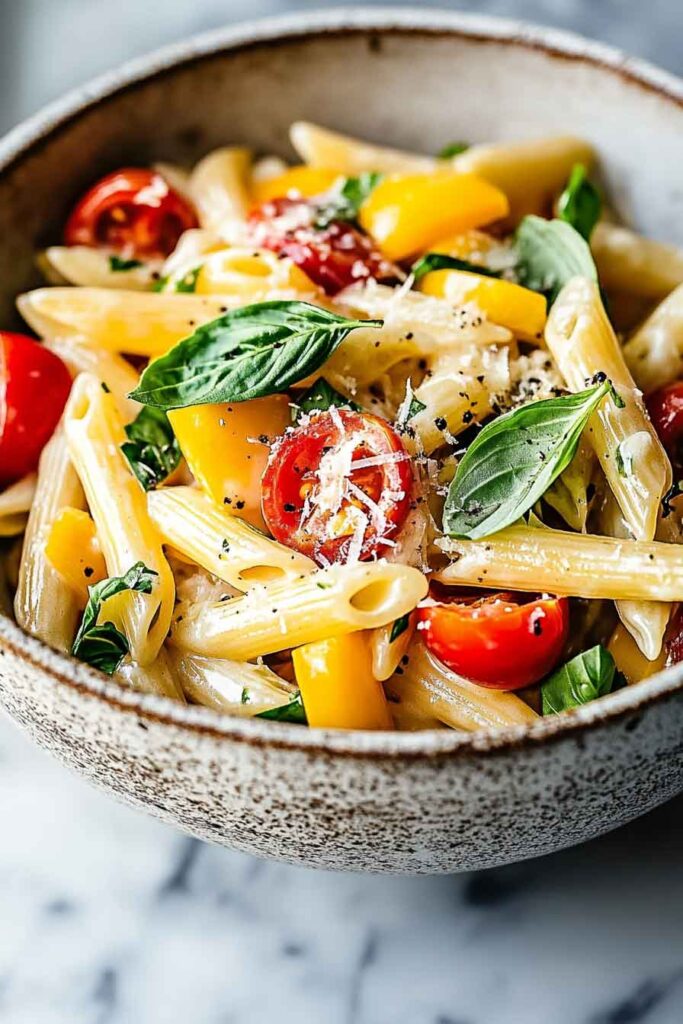
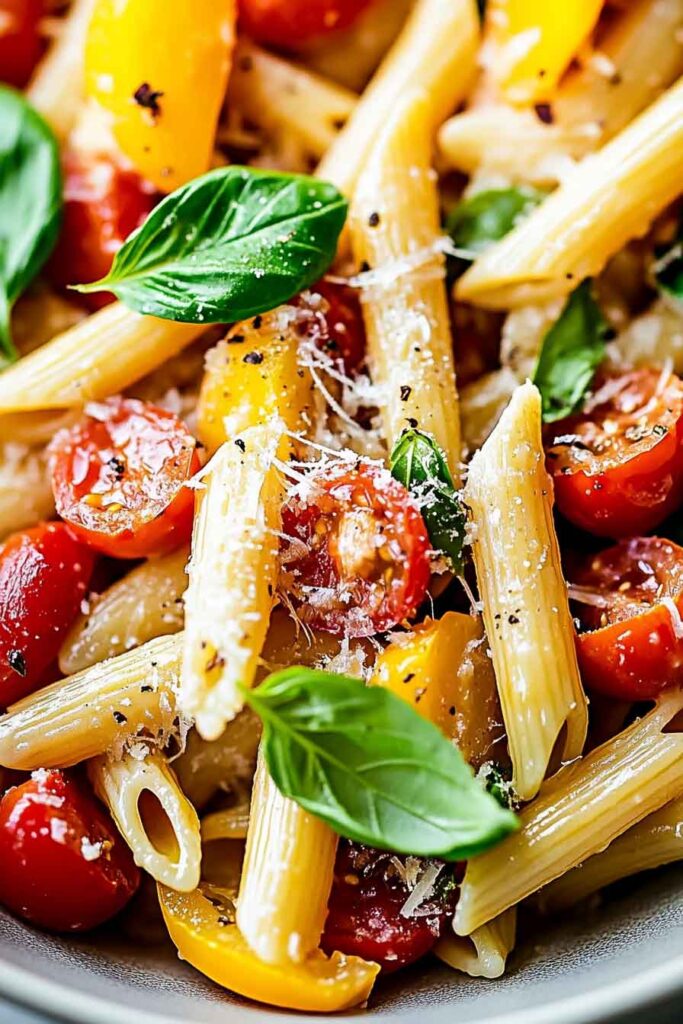
Pasta Primavera is one of those dishes that just works. Fresh veggies, creamy sauce, and pasta that actually tastes like something you’d order at a restaurant.
People keep telling me this recipe is “restaurant quality at home” and “perfectly balanced.” One reader even said they make it every single week during spring. That’s the kind of feedback that makes me feel like I’m doing something right.
Here’s the thing…
This isn’t some complicated chef-level recipe. It’s colorful, healthy, and honestly? Perfect for those nights when you need dinner on the table fast but still want to feel like you tried.
Why This Recipe Actually Works
People love it: I’ve watched home cooks make this hundreds of times. They always come back saying it tastes like restaurant food without the fussy techniques.
Vegetables are the star: We’re talking zucchini, yellow squash, carrots, cherry tomatoes, sun-dried tomatoes. All the good stuff that makes you feel like you’re eating actual food.
It’s fast: 30 minutes from start to finish. That’s it.
No meat needed: The vegetables do all the heavy lifting here. Great for Meatless Monday or if you’re just trying to eat more plants.
Make it your own: Don’t have yellow squash? Use bell peppers. No zucchini? Throw in asparagus. The recipe is flexible like that.
Quick Facts
Prep Time: 15 minutes
Cook Time: 20 minutes
Total Time: About 35 minutes
Servings: 4 people (main dish) or 6 (side dish)
Difficulty: Easy—if you can boil water, you can make this
Kitchen Tools You’ll Need
- Large pot for pasta water
- Colander for draining
- Large skillet or sauté pan
- Wooden spoon or silicone spatula
- Knife and cutting board
- Measuring spoons and cups
- Cheese grater (for fresh Parmesan)
Ingredients for Pasta Primavera
For the Pasta and Vegetables:
- 12 ounces pasta (penne, bucatini, or your preferred shape)
- 3 tablespoons extra-virgin olive oil
- 1 medium shallot, thinly sliced
- 1 medium carrot, cut into thin matchsticks
- 1 medium zucchini, cut into thin matchsticks
- 1 medium yellow squash, cut into thin matchsticks
- 1 cup cherry tomatoes, halved
- 1/3 cup sun-dried tomatoes, chopped
- 3 cloves garlic, minced
- 1/2 teaspoon crushed red pepper (or to taste)
- Sea salt and black pepper to taste
For the Sauce:
- 3 tablespoons unsalted butter
- 1/4 cup whole milk
- 1/2 cup freshly grated Parmesan cheese
- 1 teaspoon dried basil
- 1/2 teaspoon garlic powder
- 3 tablespoons fresh basil or flat-leaf parsley, chopped
Ways to Change It Up
Want protein? Toss in grilled chicken, shrimp, or white beans. Problem solved.
Love garlic? Skip the garlic powder and use more fresh garlic instead. Your kitchen will smell amazing.
Add greens: Throw in spinach or kale during the last minute of cooking. Extra nutrition, zero effort.
Switch the cheese: Try Pecorino Romano instead of Parmesan. Or mix both.
Add crunch: Toast some pine nuts and sprinkle them on top.
Make it richer: Use heavy cream instead of milk. Just saying.
How to Make Pasta Primavera: Step-by-Step
1. Cook the Pasta
Get a large pot of salted water boiling. Add your pasta and cook it according to the package directions until it’s al dente.
Here’s the important part…
Before you drain it, save one cup of that pasta water. I know it looks like regular water, but that starchy liquid is going to help your sauce stick to the pasta later. Trust me on this.
2. Prepare the Vegetables
While your pasta bubbles away, prep your veggies.
Cut the carrot, zucchini, and yellow squash into thin matchsticks. Think about the size of pencil lead. This way everything cooks at the same speed.
Halve those cherry tomatoes. Chop the sun-dried tomatoes. Mince the garlic and slice the shallot.
Get it all ready before you start cooking. It makes everything so much easier.
3. Sauté the Aromatics
Heat 2 tablespoons of olive oil in your large skillet over medium heat.
Add the shallot. Let it cook for 2 minutes until it softens.
Then add the garlic. Give it 30 seconds until you can smell it.
Don’t let the garlic turn brown. Brown garlic tastes bitter, and nobody wants that.
4. Cook the Vegetables
Now we’re building layers of flavor.
Toss in the carrot matchsticks first. Give them 2 minutes.
Then add your zucchini and yellow squash. Cook for another 3 to 4 minutes, stirring occasionally. You want them tender but still with a little crunch.
Add the cherry tomatoes and sun-dried tomatoes. One more minute until everything’s warmed through.
Season with salt, pepper, and crushed red pepper. Taste as you go.
5. Create the Sauce
Turn the heat down to low.
Add the butter and stir until it melts completely. Pour in the milk and give it a good stir.
Add the dried basil and garlic powder. Mix well.
Now for the Parmesan…
Add it gradually, stirring constantly. You want it smooth and creamy. The sauce should coat the back of your spoon nicely.
6. Combine Pasta and Sauce
Add your drained pasta to the skillet.
Toss everything together gently but thoroughly. Every piece of pasta should be coated.
Too dry? Add that reserved pasta water, one tablespoon at a time. You want it moist but not swimming in sauce.
7. Finish and Serve
Take it off the heat.
Stir in the fresh basil or parsley. Taste it. Does it need more salt? More pepper? Adjust it.
Drizzle with a bit more olive oil if you want.
Serve it right away while it’s hot.
What to Serve With It
This pasta plays well with others.
A simple green salad with light vinaigrette cuts through the richness perfectly. Crusty bread for soaking up leftover sauce? Always a good call.
Want more protein? Grilled chicken or shrimp on the side works great.
For drinks, grab a crisp white wine. Pinot Grigio or Sauvignon Blanc both complement those fresh vegetable flavors.
Make it pretty by adding extra Parmesan shavings and a sprinkle of fresh herbs on top.
Storing Leftovers
In the fridge: Put leftovers in an airtight container. They’ll keep for up to 3 days.
Actually, the pasta soaks up more sauce overnight. Some people think it tastes even better the next day.
Reheating: Warm it gently on the stovetop over low heat. Add a splash of milk or pasta water to bring back that creamy texture.
Microwave works too. Use a covered bowl and stir halfway through.
Freezing? I don’t recommend it. The vegetables turn mushy when you thaw them. Not worth it.
Tips That Actually Matter
Buy fresh vegetables: This whole dish depends on good produce. Look for firm vegetables with bright colors.
Don’t murder the vegetables: Keep them slightly firm, not soft and sad. They’ll continue cooking after you remove them from heat.
That pasta water: I already said it, but I’ll say it again. Don’t skip saving some. It’s the secret to good sauce.
Order matters: Add ingredients in the order I listed. It’s not random. Each component needs its own cooking time.
Taste before serving: Your vegetables might need different amounts of seasoning depending on what you bought. Always taste and adjust.
Real Parmesan cheese: Pre-grated stuff has anti-caking agents that make the sauce weird. Grate it yourself. It takes 2 minutes.
Al dente pasta: Don’t overcook it. You want a little firmness in the center. Mushy pasta breaks apart and ruins everything.
Nutrition Information
| Nutrient | Per Serving |
|---|---|
| Calories | 420 |
| Total Fat | 18g |
| Saturated Fat | 6g |
| Cholesterol | 22mg |
| Sodium | 580mg |
| Total Carbohydrates | 54g |
| Dietary Fiber | 4g |
| Sugars | 6g |
| Protein | 14g |
| Calcium | 280mg |
| Iron | 2.8mg |
Note: These numbers are estimates based on standard ingredients. Your actual nutrition will vary depending on what brands you use and how much you actually eat.

Pasta Primavera
Course: pasta recipes4
servings15
minutes20
minutes420
kcalIngredients
12 ounces pasta (penne, bucatini, or your preferred shape)
3 tablespoons extra-virgin olive oil
1 medium shallot, thinly sliced
1 medium carrot, cut into thin matchsticks
1 medium zucchini, cut into thin matchsticks
1 medium yellow squash, cut into thin matchsticks
1 cup cherry tomatoes, halved
1/3 cup sun-dried tomatoes, chopped
3 cloves garlic, minced
1/2 teaspoon crushed red pepper
Sea salt and black pepper to taste
3 tablespoons unsalted butter
1/4 cup whole milk
1/2 cup freshly grated Parmesan cheese
1 teaspoon dried basil
3 tablespoons fresh basil or flat-leaf parsley, chopped
1/2 teaspoon garlic powder
Directions
- Step 1: Bring a large pot of salted water to a boil. Add pasta and cook until al dente according to package directions. Reserve one cup of pasta water and drain.
- Step 2: While pasta cooks, prepare all vegetables. Cut carrot, zucchini, and yellow squash into thin matchsticks. Halve cherry tomatoes, chop sun-dried tomatoes, mince garlic, and slice shallot.
- Step 3: Heat 2 tablespoons olive oil in a large skillet over medium heat. Add shallot and cook 2 minutes until softened. Add garlic and cook 30 seconds until fragrant.
- Step 4: Add carrot matchsticks and cook 2 minutes. Add zucchini and yellow squash, cooking 3 to 4 minutes until tender but still slightly firm. Add cherry tomatoes and sun-dried tomatoes, cooking 1 minute more. Season with salt, pepper, and crushed red pepper.
- Step 5: Reduce heat to low. Add butter and stir until melted. Pour in milk and stir to combine. Add dried basil and garlic powder. Gradually add Parmesan cheese, stirring constantly until melted and smooth.
- Step 6: Add cooked pasta to the skillet with vegetables and sauce. Toss gently but thoroughly to coat. Add reserved pasta water as needed for desired consistency.
- Step 7: Remove from heat and stir in fresh basil or parsley. Taste and adjust seasoning. Drizzle with remaining olive oil if desired. Serve immediately.
Common Questions
Can I use frozen vegetables instead of fresh?
I wouldn’t. Fresh vegetables give you the best texture and flavor. Frozen ones get mushy and release too much water, which makes your sauce watery and sad.
What type of pasta works best?
Tube-shaped pasta like penne or rigatoni is great because the sauce gets inside and clings to the ridges. Bucatini and spaghetti work too, just be gentler when you toss everything together.
Can I make this ahead of time?
The dish tastes best fresh. But you can prep the vegetables a few hours early. Keep them in an airtight container in the fridge and cook the pasta right before you eat.
Is this vegetarian?
Yep. Completely vegetarian. Want to make it vegan? Use olive oil instead of butter and swap the Parmesan for nutritional yeast or vegan cheese.
How do I stop the pasta from sticking?
Stir it occasionally while it cooks. And don’t add oil to the water—that’s a myth. Once it’s cooked, toss it with the sauce right away.
Can I add meat?
Absolutely. Grilled chicken, shrimp, or even pancetta work great. Add them during the final step when you’re combining everything.
What if my sauce breaks?
Take it off the heat immediately. Slowly whisk in a splash of milk or pasta water while the pan is off the burner. Stir gently until it smooths out.
Final Thoughts
Pasta Primavera is what happens when you let fresh vegetables shine.
It’s colorful. It’s satisfying. And honestly, it’s one of those recipes that makes you look like you know what you’re doing in the kitchen even if you’re just figuring things out.
The best part?
You can change it based on whatever vegetables look good at the store. Use what’s fresh. Adjust the seasonings to what you like. Make it your own.
Whether you’re cooking for yourself on a random Tuesday or making dinner for people you actually want to impress, this dish delivers. No advanced skills needed.
It’s comfort food that doesn’t make you feel guilty afterward. And sometimes, that’s exactly what you need.